
Periodontal Plastic Surgery
Cosmetic and functional gum procedures designed to reshape your gum line, correct irregularities, and help you feel confident in your smile.
What Is Periodontal Plastic Surgery?
Periodontal Plastic surgery refers to a range of procedures that reshape and reconstruct the gum tissue around the teeth to improve both the appearance and function of your smile. While the word surgery can sound intimidating, many of these procedures are minimally invasive and completed in a single appointment with a relatively straightforward recovery.
Periodontal Plastic surgery is not purely cosmetic. Many of the procedures also serve an important functional purpose, protecting exposed roots, correcting uneven tissue, and creating a healthier gum environment that is easier to maintain long term.
Periodontal Plastic surgery is performed by experienced specialists who take a conservative and personalized approach to reshaping your gum line. Your provider will evaluate your gum health and smile goals together and recommend the procedure that addresses both your aesthetic concerns and your long-term oral health needs.
Here is what most patients can expect from the process at a glance:
Types of Periodontal Plastic Surgery
Crown Lengthening
Crown lengthening is a procedure that removes excess gum tissue to expose more of the natural tooth surface above the gum line. It is most commonly recommended when a tooth needs a crown, veneer, or other restoration but does not have enough visible structure above the gum line for the restoration to be properly placed and secured. It is also performed for cosmetic reasons when excess gum tissue is making the teeth appear shorter than they actually are, creating a gummy smile that the patient wants to correct.
Gum Contouring
Gum contouring reshapes the gum line to create a more even, symmetrical, and aesthetically pleasing frame around the teeth. It is typically recommended for patients whose gum line is uneven across the teeth or sits at different heights on different teeth, creating an asymmetrical appearance that affects the overall balance of the smile. The procedure is minimally invasive and in many cases can be completed in a single appointment with a short and straightforward recovery.
Osseous Surgery
Buccal frenectomy releases the tissue connecting the inner cheek to the gum, relieving tension that can pull on the gum line over time. It is the least common of the three frenectomy types but is recommended when the tissue is actively contributing to gum recession or creating discomfort that affects oral hygiene or everyday comfort. Left untreated, persistent tension on the gum line can increase the risk of periodontal issues
over time.
When Is Periodontal Plastic Surgery Recommended?
Gummy smile
Excess gum tissue that covers too much of the tooth surface, making the teeth appear shorter than they are and affecting the overall balance of your smile.
Uneven gum line
A gum line that is uneven or asymmetrical across the teeth, creating an irregular appearance that affects the overall harmony of your smile.
Receeding gums
Gums that have pulled away from the teeth and need to be restored to protect the exposed root surfaces and improve the appearance of the smile.
Crown lengthening needed
Situations where there is not enough visible tooth structure above the gum line to support a crown, veneer, or other restoration and the gum tissue needs to be adjusted to make treatment possible.
What To Expect
Consultation & smile evaluation
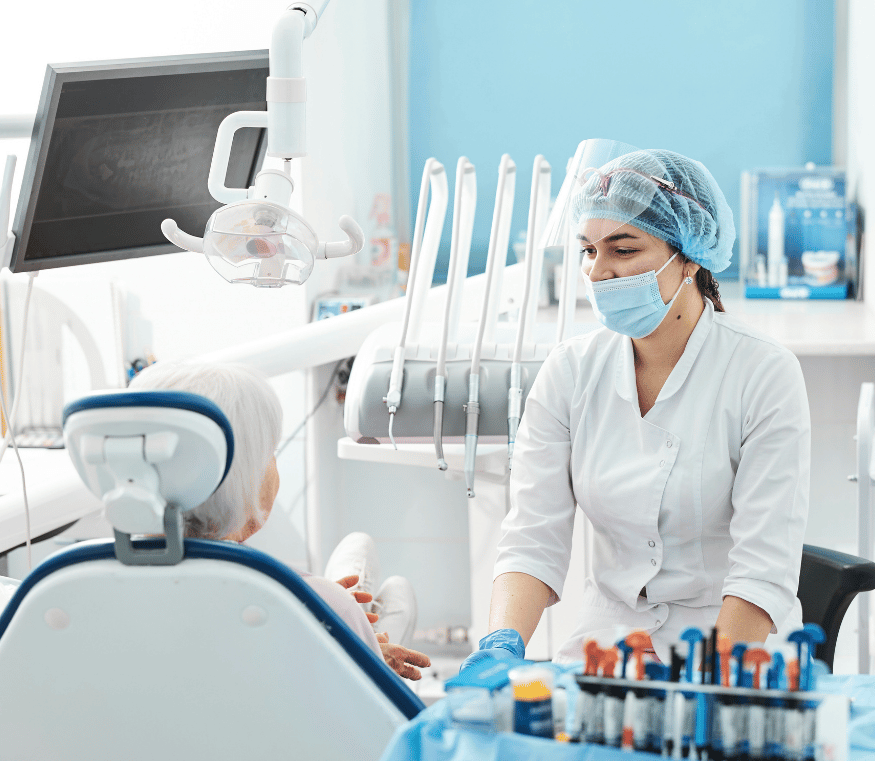
Your provider examines your gum tissue, discusses your functional and aesthetic concerns, and determines which procedure is the right fit for your specific needs and smile goals before any treatment is planned.
Your procedure
Most periodontal plastic surgery procedures are performed under local anesthesia in a single outpatient appointment. Your provider will walk you through exactly what is involved and ensure you are comfortable before treatment begins.
Recovery & results
Your provider will give you detailed aftercare instructions before you leave and schedule follow-up visits to monitor healing and confirm your results are developing as expected as the tissue settles into its new position.
Recovery & Aftercare
Here is what to keep in mind in the days and weeks following your periodontal plastic surgery procedure.
First few days
Rest and swelling
Some swelling, tenderness, and minor bleeding in the first 24 to 48 hours is normal. Stick to soft foods, avoid the treated area when brushing, and keep physical activity light while the initial healing process begins.
As directed
Medications and oral care
Take any prescribed pain relievers as directed and use any recommended mouth rinse to keep the area clean during recovery. Avoid brushing directly over the treated gum tissue until your provider confirms it is safe to resume normal oral hygiene in that area.
Ongoing
Follow-up and monitoring
Your provider will schedule follow-up visits to monitor how the tissue is healing and settling into its new position. Final results become fully visible once swelling has resolved and the gum line has stabilized, which typically takes a few weeks.
Other Surgical Perio Procedures
Bone Grafting
A procedure that restores bone that has been lost due to gum disease, creating a stable foundation for the teeth and supporting long-term oral health.
Learn more →
Gingivectomy
Surgical removal of excess or diseased gum tissue to eliminate deep pockets and restore a healthier gum line.
Learn more →
Guided Tissue Regeneration
A procedure using a specialized membrane to encourage the regrowth of bone and gum tissue destroyed by advanced gum disease.
Learn more →
Gum Grafting
Restores receded gum tissue by covering exposed root surfaces to reduce sensitivity and prevent further recession.
Learn more →
Ridge Augmentation
Rebuilds the natural contour of the jaw ridge after tooth loss to create a proper foundation for implants or restorations.
Learn more →
Ridge Preservation
Performed after extraction to prevent bone loss in the socket and preserve the jaw ridge for future treatment.
Learn more →
Sinus Lift
Adds bone to the upper jaw near the molars to create sufficient bone height for safe implant placement.
Learn more →Related Resources
Have a Concern You'd Like Evaluated?

©2026 Smart Dental Network, Inc. All rights reserved. Privacy Policy. | Website by Nextiny