
Endodontics
Expert endodontic care designed to preserve your natural tooth and restore your comfort and well-being.
What Is Endodontics?
Endodontics is a dental specialty focused on diagnosing and treating the inside of your tooth, the pulp, nerves, and root canals. In everyday terms, that means root canals and related procedures that save teeth that would otherwise need to be removed.
Our endodontic specialists are trained to treat even the most complex cases, using advanced imaging and precision techniques to make the process as comfortable and efficient as possible. Most patients are surprised by how straightforward the
experience actually is.

Signs You May Need Endodontic Treatment
Sensitivity that lingers
Tooth sensitivity to hot or cold that continues long after the source is removed.
Persistent tooth pain
Ongoing discomfort that doesn't go away, especially pain that's deep, throbbing, or gets worse over time.
Swelling near a tooth
Puffiness, tenderness, or a pimple-like bump on the gums near a tooth.
Darkening or discoloration
A tooth that has become noticeably darker than the surrounding teeth can signal internal nerve damage.
Pain when biting or chewing
Significant discomfort when putting pressure on a specific tooth.
Dentist referral
Your general dentist has identified signs of infection, abscess, or nerve damage and is referring you for specialized care.
What The Treatment Involves
Root Canal Therapy
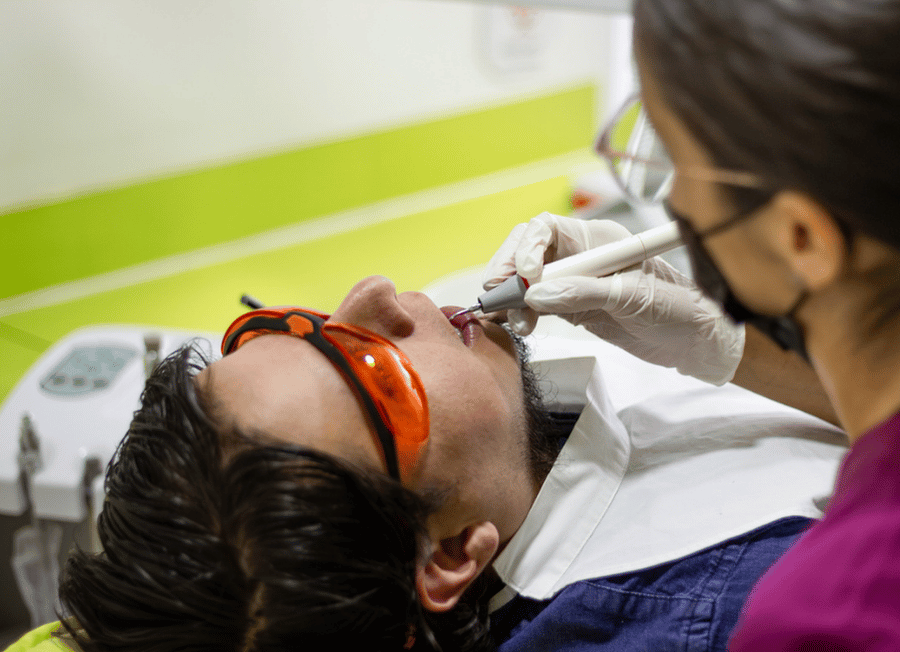
Root canal therapy treats infection or damage inside a tooth. While it has a reputation for being painful, that perception is outdated, treatment is typically no more uncomfortable than getting a filling and helps relieve existing discomfort. During the procedure, your provider removes the infected tissue, cleans and seals the tooth to prevent reinfection. Because the nerve and blood supply are removed, the tooth becomes more fragile, so a crown is often recommended to protect it from fracture.
Root Canal Retreatment
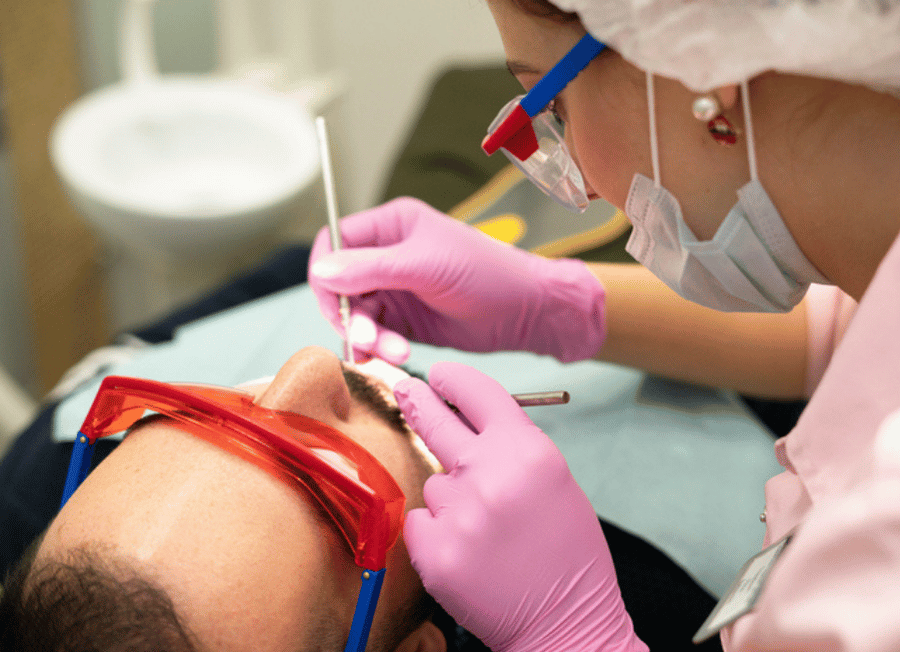
Sometimes a tooth that has had a previous root canal doesn’t heal as expected or may develop a new infection over time. Retreatment involves reopening the tooth, removing the original filling material, and carefully cleaning and disinfecting the canals before sealing them again. This process gives the tooth a second chance to heal and function properly, often helping you avoid extraction and preserve your natural tooth for many years to come with proper care.
Apicoectomy
When infection persists near the tip of a tooth’s root and cannot be resolved through a standard root canal, an apicoectomy may be recommended. This minor surgical procedure involves removing the root tip along with any surrounding infected tissue, then sealing the end of the canal to prevent further issues. It offers a targeted solution to eliminate infection while preserving your natural tooth and avoiding extraction whenever possible.
What To Expect
endodontic appointment at Smart Dental Network:

Your first appointment
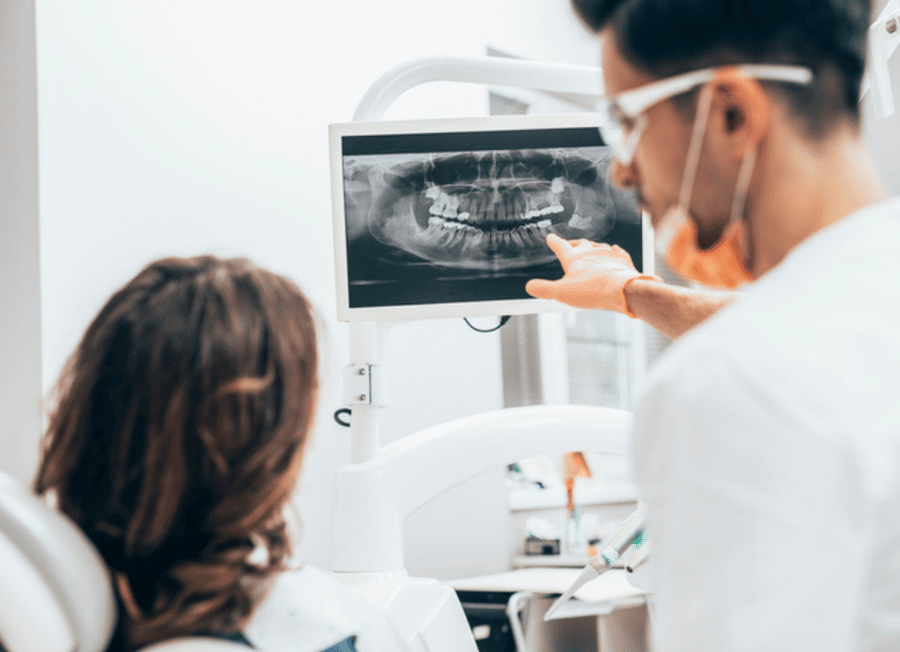
Your specialist will review your symptoms, take detailed imaging, and confirm your diagnosis. Advanced 3D CBCT scans provide a comprehensive view of the tooth, roots, and surrounding bone to support precise treatment planning.
Your procedure
The area will be fully numbed before treatment. Using a dental operating microscope for enhanced magnification and visibility, your specialist will remove damaged tissue, clean the canals, and seal the tooth, typically in 60 to 90 minutes.
Recovery & follow-up
Your provider will review aftercare instructions and discuss any next steps. Because a treated tooth can become more susceptible to fracture, a crown is often recommended to restore strength and long-term function.
Insurance & financing: Most Smart Dental Network locations accept major insurance plans. Ask your location about flexible payment and financing options available to you.
Referred By Your Dentist?
Many endodontic patients come to us through a referral from their general dentist, and we want to make that transition as easy as possible.
What to bring to your first visit:
Your referring dentist's notes and any X-rays will help your endodontic specialist get up to speed quickly and avoid duplicate testing.
Your referral letter or dentist's notes
A list of current medications and any known allergies
Your insurance card and a valid photo ID
Specialized Care for Long-Term Oral Health
Endodontic treatment is about more than relieving discomfort, it is about protecting the health of your natural teeth for years to come. Your Smart Dental Network specialist will evaluate your needs thoroughly, explain your options clearly, and build a treatment plan focused on your long-term wellbeing.
Modern endodontic techniques are designed to keep you at ease. Most patients are surprised by how manageable treatment feels from start to finish.
Most endodontic treatments are completed in one or two visits, so you can get the care you need without disrupting your routine.
Your provider will walk you through your diagnosis and what to expect at every stage so you always feel informed and confident
about your care.
Related Resources
Ready to Take The Next Step?

©2026 Smart Dental Network, Inc. All rights reserved. Privacy Policy. | Website by Nextiny