
Gum Grafting
Specialized periodontal treatment designed to restore receded gum tissue, protect exposed roots, and support the long-term health of your smile.
What Is Gum Grafting?
Gum grafting is a surgical procedure that restores gum tissue that has receded away from the teeth, exposing the sensitive root surfaces underneath. Recession can happen gradually over time and is often caused by gum disease, aggressive brushing, genetics, or a combination of factors. Left untreated, exposed roots can lead to increased sensitivity, decay, and continued gum loss.
Many patients do not realize their gums have receded until a dentist points it out. Because recession happens slowly, it can be easy to miss, which is why regular dental visits are one of the best ways to catch it early.
Gum grafting is performed by experienced periodontal specialists who take a personalized approach to restoring your gum line. Your provider will evaluate the extent of recession and recommend the most appropriate grafting technique to achieve a natural-looking and long-lasting result.
Here is what most patients can expect from the process at a glance:
Types of Gum Grafting
Connective Tissue Graft
A connective tissue graft is the most widely used technique for treating gum recession. A small piece of tissue is harvested from just beneath the surface of the palate and carefully placed over the exposed root to restore coverage and protect the tooth. Because the tissue comes from under the surface rather than the top layer, the donor site heals more comfortably and the graft tends to blend naturally with the surrounding gum tissue for a result that looks and feels seamless.
Free Gingival Graft
A free gingival graft uses tissue taken directly from the surface of the palate rather than from underneath it. This technique is most commonly recommended when the existing gum tissue is too thin and needs to be thickened and reinforced rather than simply extended over the root. It is a well established approach that is particularly effective for patients with naturally thin gum tissue that is prone to continued recession without additional support.
Allograft Gum Graft
An allograft uses processed donor tissue instead of tissue taken from the patient's own mouth, which means there is no second surgical site to heal during recovery. The donor tissue is carefully processed and sterilized before use and is just as effective as tissue harvested from the patient in most cases. It is a popular option for patients who want to minimize post-operative discomfort or who do not have sufficient tissue available at the palate for harvesting.
When Is Gum Grafting Recommended?
Receding gum line
Gums that have visibly pulled away from the teeth, making them appear longer than normal and exposing the sensitive root surfaces underneath.
Tooth sensitivity
Increased sensitivity to hot, cold, or sweet foods and drinks caused by exposed root surfaces that are no longer protected by gum tissue.
Gum disease related recession
Recession that has developed as a result of periodontal disease and needs to be addressed to stabilize the gum line and prevent further deterioration.
Preparing for dental implants
Patients who need adequate gum tissue volume restored in a specific area before implant placement can safely and successfully proceed.
What To Expect
Consultation & evaluation
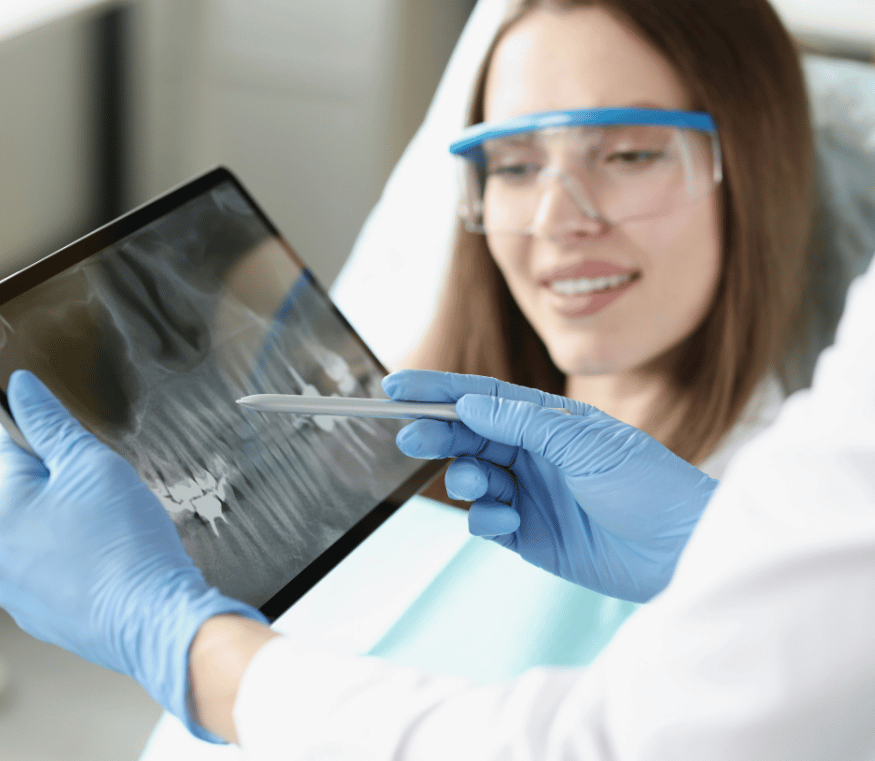
Your provider examines the extent of recession, assesses the thickness and health of your existing gum tissue, and determines which grafting technique is the most appropriate approach for your specific condition and treatment goals.
Your procedure
The procedure is performed under local anesthesia in a single outpatient appointment. Your provider places the graft material over the exposed root surfaces and secures it in position to begin the process of reattachment and coverage.
Healing & follow-up
Your provider will give you detailed aftercare instructions before you leave and schedule follow-up visits to monitor how the graft is integrating with the surrounding tissue and confirm the recession has been successfully addressed.
Recovery & Aftercare
Here is what to keep in mind in the days and weeks following your gum grafting procedure.
First few days
Rest and swelling
Some swelling, tenderness, and minor bleeding around both the graft site and the donor site in the first 24 to 48 hours is normal. Stick to soft foods, avoid chewing on the treated side, and keep physical activity light while initial healing begins.
As directed
Medications and oral care
Take prescribed pain relievers or antibiotics as directed and use any recommended mouth rinse to keep the area clean. Avoid brushing directly over the graft site until your provider confirms the tissue has
fully attached.
Ongoing
Follow-up and monitoring
Your provider will schedule follow-up visits to monitor how the graft is integrating with the surrounding gum tissue and confirm the treated area is healing as expected before clearing you to return to your normal routine.
Other Surgical Perio Procedures
Bone Grafting
A procedure that restores bone that has been lost due to gum disease, creating a stable foundation for the teeth and supporting long-term oral health.
Learn more →
Gingivectomy
Surgical removal of excess or diseased gum tissue to eliminate deep pockets and restore a healthier gum line.
Learn more →
Guided Tissue Regeneration
A procedure using a specialized membrane to encourage the regrowth of bone and gum tissue destroyed by advanced gum disease.
Learn more →
Periodontal Plastic Surgery
Reshapes the gum line to improve appearance and correct issues such as a gummy smile or uneven gum levels.
Learn more →
Ridge Augmentation
Rebuilds the natural contour of the jaw ridge after tooth loss to create a proper foundation for implants or restorations.
Learn more →
Ridge Preservation
Performed after extraction to prevent bone loss in the socket and preserve the jaw ridge for future treatment.
Learn more →
Sinus Lift
Adds bone to the upper jaw near the molars to create sufficient bone height for safe implant placement.
Learn more →Related Resources
Have a Concern You'd Like Evaluated?
©2026 Smart Dental Network, Inc. All rights reserved. Privacy Policy. | Website by Nextiny