Dental Bridges

A reliable, fixed solution for replacing one or more missing teeth and restoring the full function and appearance of your smile.

What Is a Dental Bridge?

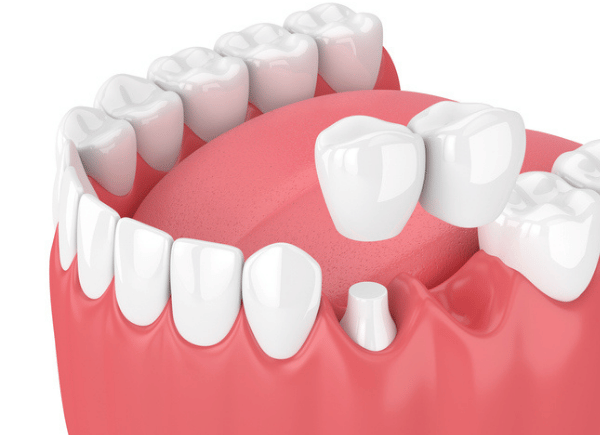
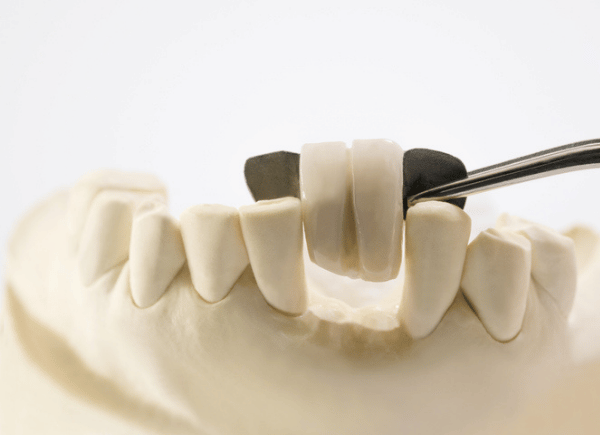
A dental bridge is a fixed restoration used to fill the gap left by one or more missing teeth. It consists of one or more artificial teeth, called pontics, that are held in place by crowns anchored to the natural teeth on either side of the gap. Once placed, a bridge is permanently fixed and functions like your natural teeth, allowing you to eat, speak, and smile with confidence.

Replacing a missing tooth is about more than appearance. When a gap is left unfilled, surrounding teeth can shift out of position over time, affecting your bite and increasing the risk of further dental issues down the road.

Your provider will evaluate the condition of your surrounding teeth, the size of the gap, and your overall oral health to determine which type of bridge is the most appropriate and longest lasting solution for your specific situation.

Here is what most patients can expect from the process at a glance:

2-3
Appointments to complete
10-15
Years a well-maintained bridge can last

Types of Dental Bridges

The type of bridge recommended depends on the location of the missing tooth, the condition of your surrounding teeth, and what your provider determines will offer the most stable and long-lasting result.


Traditional Bridge

The most common type of dental bridge, a traditional bridge uses crowns placed on the natural teeth on either side of the gap to anchor one or more artificial teeth in between. The adjacent teeth are prepared and shaped to support the crowns, which hold the bridge firmly in place. It is a proven, durable solution for patients who have healthy teeth on both sides of the missing tooth and are looking for a fixed, long-lasting restoration.
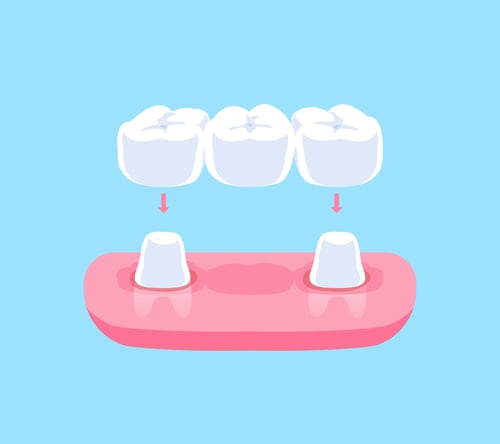
Traditional Bridge Image

When Is a Dental Bridge Recommended?

 
Your provider may recommend a dental bridge if you are experiencing any of the following:


One or more missing teeth

A bridge is a reliable fixed option for replacing a single missing tooth or multiple teeth in a row, restoring both function and appearance.


Shifting or drifting teeth

When a gap is left unfilled, surrounding teeth can gradually shift out of position. A bridge fills that space and keeps neighboring teeth stable.


Difficulty chewing or speaking

Missing teeth can make it harder to chew food properly or pronounce certain sounds. A bridge restores full function so you can eat and speak comfortably.


A desire for a fixed restoration

Patients who want a permanent, non-removable solution and have healthy adjacent teeth to support the bridge may find it preferable to a partial denture.

What To Expect

A step-by-step look at the dental bridge process at Smart Dental Network.  
Dental bridge check-up appointment
1

Consultation and evaluation

Your provider will examine the gap, assess the condition of the surrounding teeth, and confirm that a bridge is the right solution for your situation.

2

Tooth preparation and impressions

The teeth on either side of the gap are gently shaped to support the bridge. Digital impressions are taken for a precise fit, and a temporary bridge is placed to protect the area while your permanent bridge is being made.

3

Bridge placement

At your follow-up appointment your provider will remove the temporary bridge, check the fit and appearance of your permanent bridge, and bond it securely in place.

Recovery & Aftercare

Dental bridges require little to no downtime. Here is what to keep in mind in the days after your bridge is placed.

Immediately after

Numbness and sensitivity

Some sensitivity around the bridgework and the teeth supporting it is normal in the first few days. Avoid chewing hard or sticky foods on that side while the area settles and any tenderness subsides.

First few days

Mild sensitivity

Sensitivity should gradually improve as you adjust to the bridge. If your bite feels uneven or discomfort persists beyond a few days, contact your provider so they can make a simple adjustment.

Long-Term

Ongoing care

 Brush twice daily and pay special attention to cleaning under and around the bridge using floss threaders or an interdental brush to keep the gum tissue and supporting teeth healthy long term.

Other Restorative Treatments

Explore the full range of restorative services available across Smart Dental Network locations.


Crowns

Custom-fitted caps placed over a damaged or weakened tooth to restore its shape, strength, and appearance for long-lasting protection.

Learn more →

Composite Restorations

Tooth-colored fillings that repair cavities and minor damage while blending seamlessly with your natural teeth.

Learn more →

Dentures

Custom-fitted removable appliances that replace a full arch or multiple missing teeth, restoring function and appearance.

Learn more →

Implants

A permanent solution for missing teeth that replaces both the root and the visible crown for a result that looks and functions like a natural tooth.

Learn more →

Related Resources

 
From our resource center, helpful reading to support you before or after your dental bridge procedure.


Have a Concern You'd Like Evaluated?

 
Find the care you need at an Smart Dental Network location near you.