Crowns

A dental crown is one of the most reliable ways to protect a damaged tooth, restore its shape, and keep it functioning the way it should for years to come.

What Is a Dental Crown?

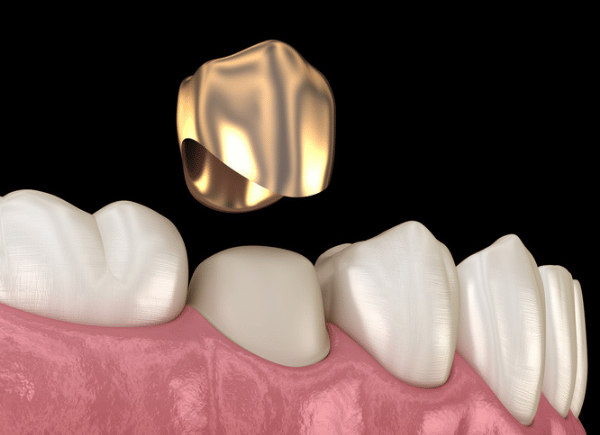
A dental crown is a custom-fitted cap that covers the entire visible surface of a tooth. It is used to restore a tooth that has been weakened by decay, cracking, or damage to the point where a filling alone would not provide enough support. Once placed, the crown fully encases the tooth above the gum line, bringing it back to its original shape, size, and strength.

A crown does not just restore how your tooth looks. It protects the remaining natural tooth structure underneath, which helps you avoid more extensive treatment down the road.

Your provider will evaluate the condition of the tooth and recommend a crown when it is the most effective long-term solution for protecting your smile.

Here is what most patients can expect from the process at a glance:

2–3
Appointments to complete crown placement
10-15
Years a well-maintained crown can last

Types of Dental Crowns

The type of crown recommended depends on which tooth is being restored, the extent of the damage, and what your provider determines will offer the best long-term fit and function for your smile.


Porcelain Crowns

Porcelain crowns are made entirely from tooth-colored ceramic material designed to closely match the shade and translucency of your natural teeth. They are a popular choice for front teeth and other visible areas of the mouth where appearance is a priority. Your provider may recommend a porcelain crown when the tooth being restored is in a prominent position and a seamless, natural look is the primary goal.
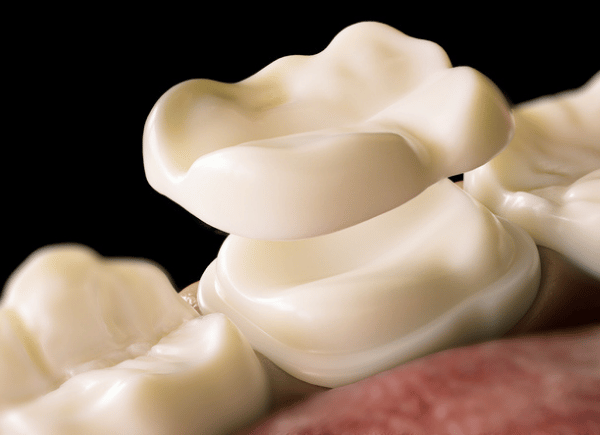
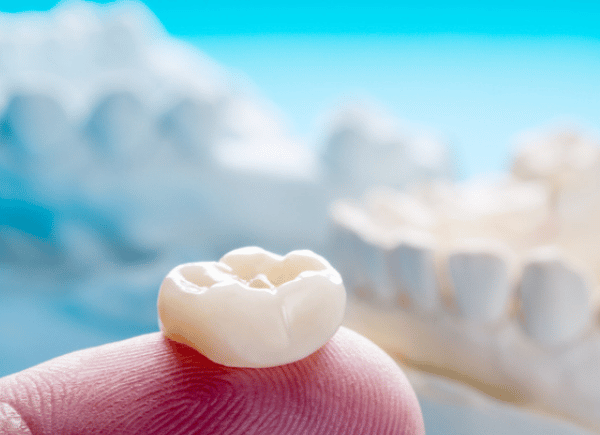
Porcelain crown

When Is a Crown Recommended?

 
Your provider may recommend a crown if you are experiencing any of the following:


Significant tooth decay

When a cavity is too large for a filling to restore the tooth, a crown provides coverage and protection for the tooth.


A cracked or fractured tooth

A crown holds a cracked tooth together, protecting the tooth from further damage during everyday use.


A tooth after a root canal

Most teeth become brittle after a root canal and are at a risk of fracture. A crown is placed after to protect the tooth long term.


A broken or worn down tooth

Teeth significantly damaged or worn down from grinding or injury can be restored to their proper shape and function with a crown.

What To Expect

A step-by-step look at the crown process at Smart Dental Network.  
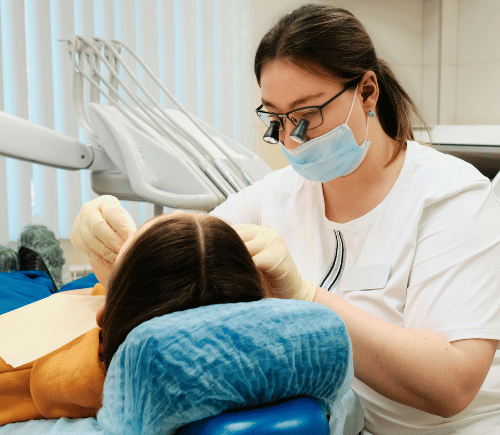
Dentist performing crown procedure to patient
1

Consultation and evaluation

Your provider will examine the tooth, take X-rays if needed, and confirm that a crown is the right solution for your situation.

2

Tooth preparation and impressions

The tooth is gently shaped to make room for the crown. Digital impressions are taken to ensure a precise fit, and a temporary crown is placed to protect the tooth while your permanent crown is being made.

3

Crown placement

At your follow-up appointment, your provider will remove the temporary crown, check the fit and color of your permanent crown, and bond it securely in place.

Recovery & Aftercare

Most patients adjust to their new crown quickly. Here is what to keep in mind after placement.

Day 1

Immediately After

Some sensitivity to hot, cold, or pressure around the crowned tooth is normal in the first few days. Avoid chewing hard or sticky foods on that side until any discomfort settles.

Days 2 – 4

Healing Period

Sensitivity should gradually improve. If your bite feels uneven or discomfort persists beyond a few days, contact your provider so they can make a simple adjustment.

Long-Term

Suture Removal

Brush and floss daily, including around the base of the crown, and keep up with regular cleanings to protect both the crown and the surrounding gum tissue.

Other Restorative Treatments

Explore the full range of restorative services available across Smart Dental Network locations.


Composite Restorations

Tooth-colored fillings that repair cavities and minor damage while blending seamlessly with your natural teeth.

Learn more →

Dental Bridges

A fixed restoration that fills the gap left by one or more missing teeth by anchoring to the surrounding natural teeth on either side.

Learn more →

Dentures

Custom-fitted removable appliances that replace a full arch or multiple missing teeth, restoring function and appearance.

Learn more →

Implants

A permanent solution for missing teeth that replaces both the root and the visible crown for a result that looks and functions like a natural tooth.

Learn more →

Related Resources

 
From our resource center, helpful reading to support you before or after your crown placement.


Have a Concern You'd Like Evaluated?

 
Find the care you need at an Smart Dental Network location near you.