A permanent, natural-looking solution for replacing missing teeth that restores full function and gives you a smile that looks, feels, and performs like your own.
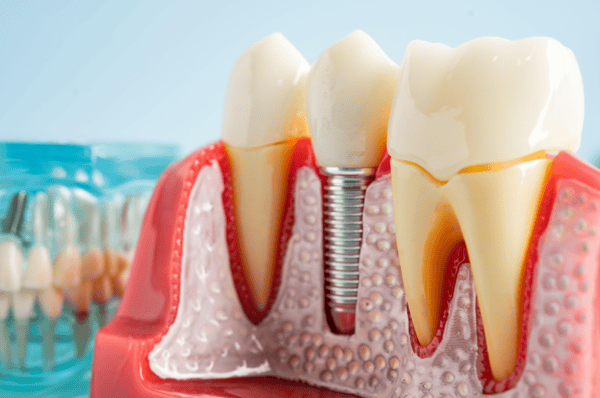
A dental implant is a small titanium post that is surgically placed into the jawbone to replace the root of a missing tooth. Once the implant fuses with the bone over time, a custom-made crown is attached on top to create a restoration that looks and functions just like a natural tooth. With a success rate of 95%+, implants are one of the most reliable restoration options available. Unlike dentures or bridges, implants are a permanent fixed solution that do not rely on surrounding teeth for support and do not need to be removed.
Implants do more than replace a missing tooth. By integrating with the jawbone, they help preserve bone density and prevent the bone loss that naturally occurs when a tooth is lost and left unreplaced. Usually, Dental Implants take 3-4 appointments within a 6 month timeframe
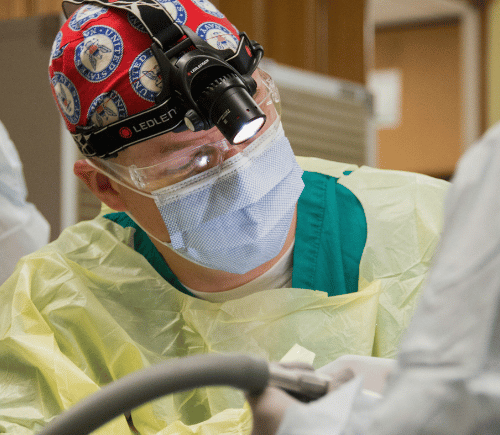
Implant procedures are performed by experienced specialists who will evaluate your bone density, gum health, and overall oral condition to determine if implants are the right solution for you and build a treatment plan tailored to your specific needs.
A single tooth implant replaces one missing tooth with a titanium post placed in the jawbone and a custom crown attached on top. It is the most straightforward implant option and is ideal for patients who have lost one tooth due to decay, injury, or extraction. Because it does not rely on surrounding teeth for support, the adjacent teeth remain completely unaffected.
An implant-supported bridge replaces multiple missing teeth in a row using implants as anchors rather than natural teeth. Instead of grinding down healthy adjacent teeth to support a traditional bridge, two or more implants are placed to hold the bridge firmly in position. It is a strong and stable option for patients missing several consecutive teeth who want a fixed, non-removable result.
Implant-supported dentures combine the coverage of a full denture with the stability of dental implants. A series of implants are placed in the jawbone to anchor the denture securely in place, eliminating the concern of slipping or shifting that can come with traditional dentures. This option is recommended for patients who are missing all or most of their teeth and want a more secure and comfortable alternative to a conventional denture.
Missing one or more teeth
Dental implants are a solution for patients who are missing one or several teeth and want a long-term option that restores both function and appearance without affecting surrounding teeth.
Severely damaged teeth
When a tooth is too damaged or decayed to be saved, a dental implant can replace it after extraction, helping restore strength, stability, and a natural look.
Difficulty eating or speaking
Missing teeth can make it difficult to chew certain foods. Dental implants provide stable support, allowing you to eat a wider variety of foods with greater comfort and confidence.
Bone or gum tissue loss
After tooth loss, the jawbone can begin to shrink over time. Dental implants help stimulate the bone and maintain its structure, supporting long-term oral health.
Consultation and evaluation
Your provider will examine your mouth, review your dental and medical history, and assess your jawbone and gum health. Together, you’ll discuss whether dental implants are the right solution and create a personalized treatment plan.
Implant placement
A small titanium post is carefully placed into the jawbone to act as an artificial tooth root. Over time, the area heals as the implant secures into place. Temporary restorations may be provided so you can maintain function and appearance during healing.
Restoration and final fit
Once healing is complete, your custom crown, bridge, or denture is attached to the implant. Your provider will ensure the fit, bite, and appearance feel natural and comfortable, with follow-up visits to make any necessary adjustments.
Most patients heal and adjust to implant-supported dentures over time. Here’s what to expect during each stage of the process.
Immediately after
Post-procedure healing
It is normal to experience some swelling, tenderness following implant placement. You may also notice slight difficulty eating or speaking at first. Stick to soft foods, follow your provider’s care instructions closely, and allow your mouth time to heal and adjust.
First few days
Healing and bonding
Your implants will begin to heal and naturally fuse with your jawbone, creating a strong foundation for your dentures. Avoid hard or sticky foods, maintain good oral hygiene, and attend follow-up visits so your provider can monitor your progress.
Long-Term
Stable, lasting support
Implant-supported dentures are designed for durability and comfort with proper care. Brush and clean around the implants daily, and continue regular dental visits. With consistent care, your implants can provide a secure, long-term solution for your smile.
Crowns
Custom-fitted caps placed over a damaged or weakened tooth to restore its shape, strength, and appearance for long-lasting protection.
Learn more →
Composite Restorations
Tooth-colored fillings that repair cavities and minor damage while blending seamlessly with your natural teeth.
Learn more →
Dental Bridges
A fixed restoration that fills the gap left by one or more missing teeth by anchoring to the surrounding natural teeth on either side.
Learn more →
Dentures
Custom-fitted removable appliances that replace a full arch or multiple missing teeth, restoring function and appearance.
Learn more →©2026 Smart Dental Network, Inc. All rights reserved. Privacy Policy. | Website by Nextiny