Expert frenectomy care designed to release restrictive oral tissue, restore proper function, and support long-term oral health.
A frenectomy is a minor surgical procedure that removes or releases a small band of connective tissue inside the mouth. This tissue can sometimes be too tight or positioned in a way that restricts movement of the tongue, lip, or cheek. When that happens, it can interfere with everyday functions like speaking, eating, or breastfeeding, and in some cases can affect how teeth come in or align over time.
A frenectomy is one of the most straightforward oral surgery procedures available. Most patients experience minimal discomfort and return to normal activity within a day or two.
Frenectomies are performed by our periodontists and oral surgeons, so you are in the hands of a specialist from start to finish. Our professionals use precise techniques to ensure a comfortable procedure and smooth recovery. The treatment is quick, typically completed in under 30 minutes, and produces immediate improvement in function.
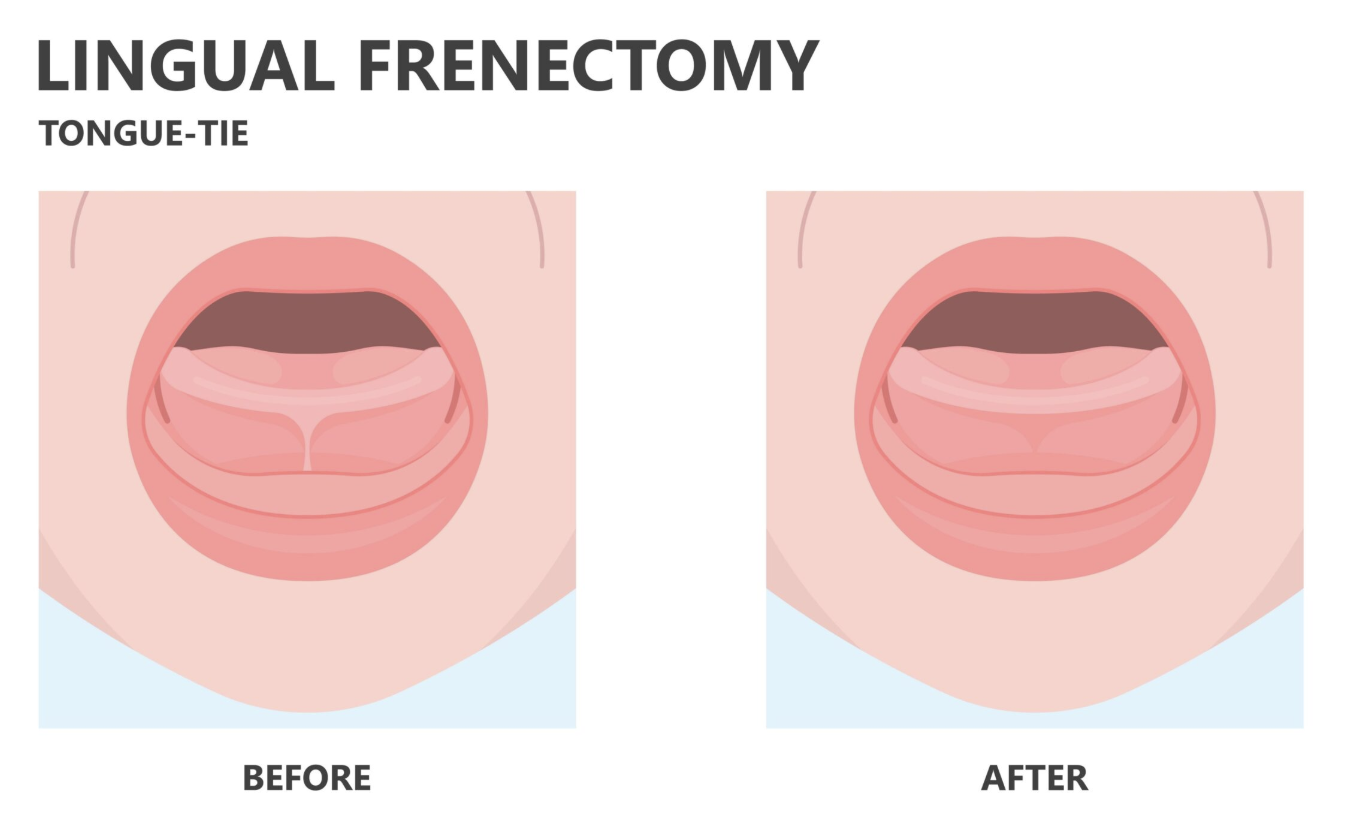
Lingual frenectomy releases the tissue connecting the underside of the tongue to the floor of the mouth, allowing for a fuller and more natural range of tongue movement. It is one of the most commonly performed frenectomy procedures and is recommended for infants experiencing difficulty breastfeeding, children with speech delays or articulation issues, and adults whose restricted tongue movement is affecting everyday function. The procedure is minor, typically completed in under 30 minutes, and most patients notice an improvement in tongue mobility almost immediately.
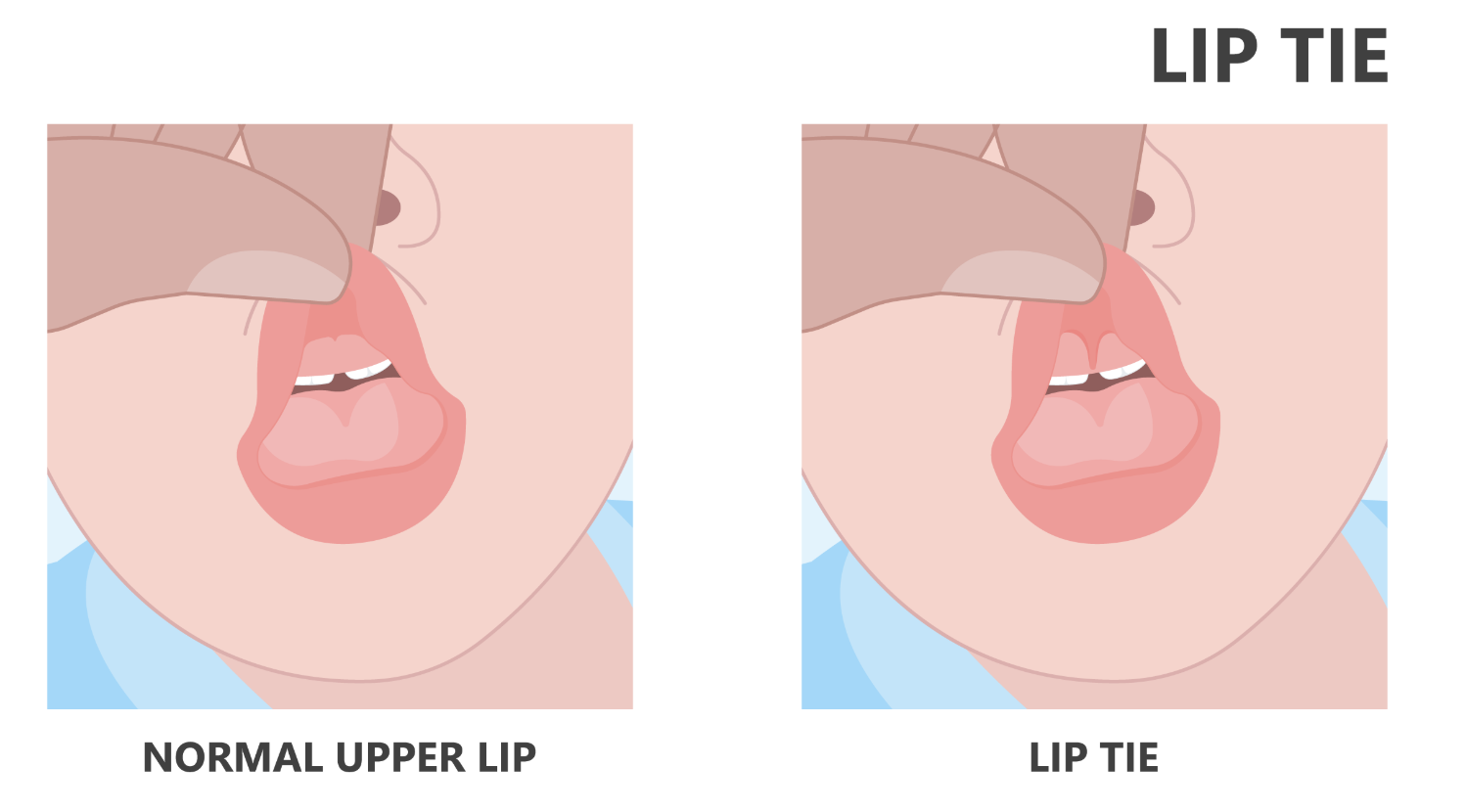
Labial frenectomy releases the tissue connecting the upper or lower lip to the gum line, allowing the lip to move more freely and reducing tension on the surrounding gum tissue. It is most commonly recommended when the tissue is causing a noticeable gap between the upper front teeth that is not closing naturally, or when it is making it difficult to move the lip comfortably during speaking or eating. In some cases it is performed in coordination with orthodontic treatment to help maintain results after braces or aligners.
Buccal frenectomy releases the tissue connecting the inner cheek to the gum, relieving tension that can pull on the gum line over time. It is the least common of the three frenectomy types but is recommended when the tissue is actively contributing to gum recession or creating discomfort that affects oral hygiene or everyday comfort. Left untreated, persistent tension on the gum line can increase the risk of periodontal issues
over time.
Tongue tie in infants or children
Difficulty breastfeeding, speech delays, or restricted tongue movement in infants and young children are the most common reasons for early frenectomy.
Speech difficulties in adults
Restricted tongue movement can limit the range of motion needed for clear speech, making certain sounds difficult to produce.
Gap between front teeth
Tissue connecting the upper lip to the gum can create or maintain a gap between the front teeth that does not close over time.
Gum recession concerns
When the tissue pulls on the gum line it can contribute to recession and increase the risk of gum issues if left untreated.
Consultation
Your Smart Dental Network specialist examines the affected area, discusses your symptoms and goals, and confirms whether a frenectomy is the right course of treatment.
The procedure
The area is numbed with local anesthesia and the tissue is carefully released or removed. Most procedures take 15 to 30 minutes and patients feel pressure but no pain.
Recovery & follow-up
Most patients recover within a week. A follow-up appointment is recommended after your procedure, and in rare cases an additional surgical visit may be needed.
Frenectomy recovery is typically quick and straightforward. Here is what to keep in mind.
Day 1
Immediately After
Some mild soreness and swelling is normal. Stick to soft foods and avoid rinsing vigorously for the first 24 hours.
Days 2 – 4
Healing Period
Discomfort should reduce quickly. Over-the-counter pain relief is usually sufficient. Keep the area clean with gentle salt water rinses.
Days 5-7
Suture Removal
Dissolvable stitches dissolve on their own. Non-dissolvable stitches are removed at a short follow-up visit.
Wisdom Teeth Removal
Safe extraction of impacted or problematic wisdom teeth, one of the most common procedures.
Learn more →
Biopsies
Oral tissue sampling to evaluate unusual sores, lesions, or growths for diagnostic purposes.
Learn more →
Orthognathic Procedures
Corrective jaw surgery to address misalignment, improving function and long-term oral health.
Learn more →
Full Mouth Reconstruction
A comprehensive plan combining surgical and restorative procedures to restore function and aesthetics.
Learn more →
Full-Arch Implant Solutions
Full-arch implant-supported teeth placed in a single appointment, a permanent alternative to dentures.
Learn more →©2026 Smart Dental Network, Inc. All rights reserved. Privacy Policy. | Website by Nextiny