
Oral Biopses
Compassionate, specialist-led care designed to evaluate oral concerns early and give you confidence in your next steps.
What Is An Oral Biopsy?
An oral biopsy is a minor surgical procedure in which a small sample of tissue is taken from the mouth and sent to a laboratory for analysis. It's used when a specialist notices something unusual, a sore, lesion, or growth, that hasn't resolved and needs further examination.
An oral biopsy does not mean you have oral cancer. It's simply the most accurate way to determine what a tissue change is,
and in most cases, results are benign.
The procedure is quick and performed under local anesthesia. Results take one to two weeks, and your Smart Dental Network specialist will walk you through the findings and any next steps.
Here is what most patients can expect from the biopsy process at a glance.
Types of Oral Biopses
Incisional Biopsy
An incisional biopsy removes a small portion of the suspicious tissue for laboratory analysis rather than the entire affected area. It is most commonly recommended when the area of concern is larger, located in a sensitive part of the mouth, or when removing the full lesion in one procedure is not practical. Results from the analysis help your provider determine the most appropriate next steps for your care.
Excisional Biopsy
An excisional biopsy removes the entire lesion or area of concern in a single procedure, which is then sent for laboratory testing. It is typically recommended for smaller growths or sores where complete removal is both practical and preferred. In many cases this approach serves as both a diagnostic and a treatment step, eliminating the need for a separate follow-up procedure if results come back benign.
Brush Biopsy
Prior to the procedure, your provider will review any necessary pre-operative instructions to help ensure an accurate and comfortable testing experience. A brush biopsy is a non-invasive technique that requires no anesthesia and uses a small brush to collect surface cells from the area of concern without the need for cutting or stitches. It is typically used as an initial screening step when a sore or lesion is noticed but does not yet appear severe enough to warrant an immediate surgical biopsy. If results indicate abnormal cells, your provider will recommend appropriate follow-up testing or a more definitive diagnostic procedure.
Saliva Biopsy
Prior to the procedure, your provider will review any necessary pre-operative instructions to help ensure accurate testing and reliable results. A saliva biopsy is a non-invasive technique that collects a sample of saliva to screen for abnormal cells or markers of concern. No cutting, stitches, or local anesthesia is required. It is typically used as an early screening step when a provider wants to evaluate an area of concern with minimal discomfort. If results indicate anything that requires further investigation, your provider will follow up with a more definitive diagnostic procedure.
When Are Oral Biopsies Recommended?
Sore that won't heal
Any oral ulcer or sore that hasn't healed within two weeks warrants evaluation.
White or red patches
Leukoplakia or erythroplakia, unusual discolorations that may need testing.
Unexplained lump or growth
Any unexplained mass or thickening of tissue inside the mouth, lips, or throat.
Numbness or pain without clear cause
Persistent oral pain or numbness that isn't explained by other dental findings.
What To Expect
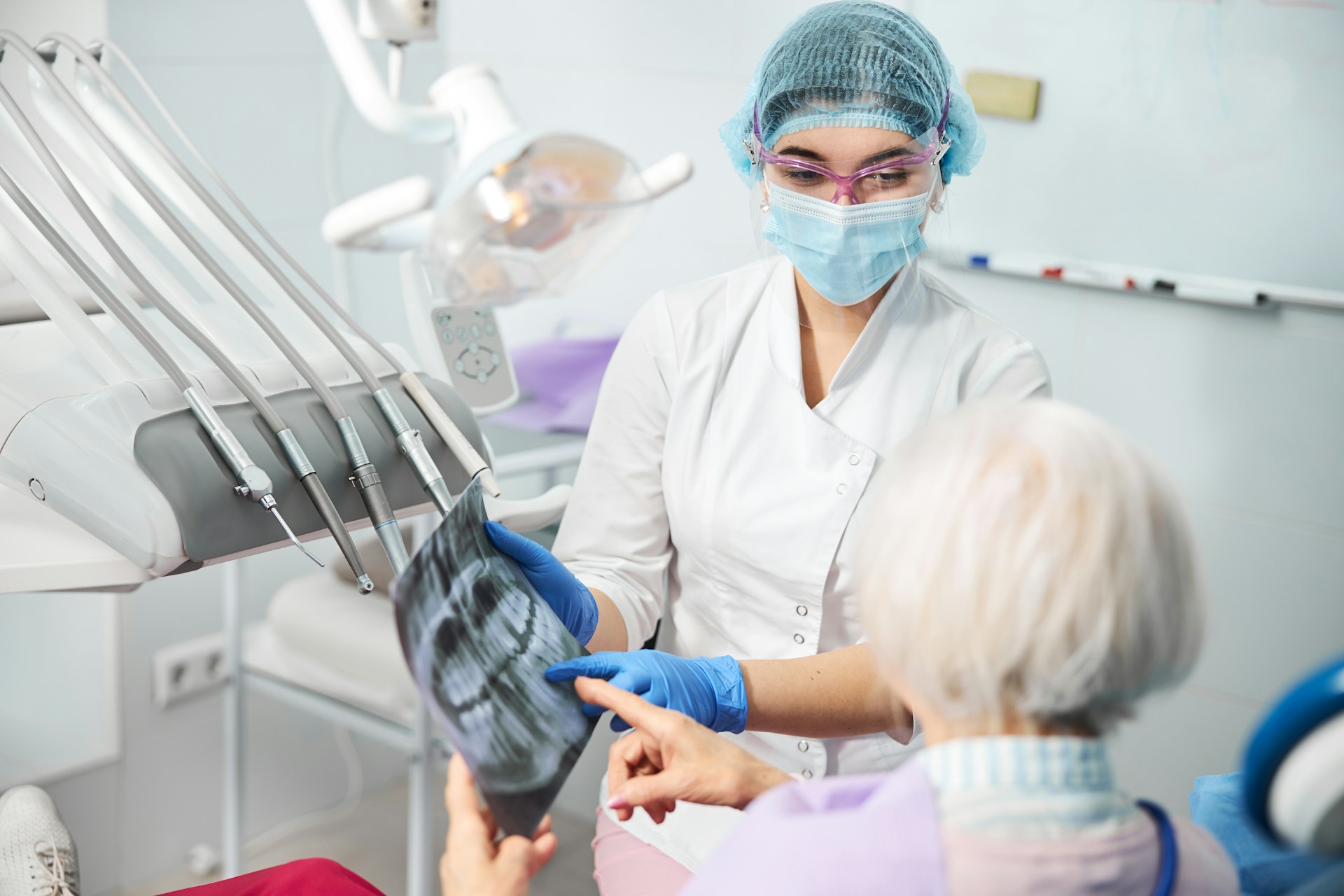
Consultation
Your Smart Dental Network specialist examines the area, reviews any notes or imaging from your dentist, and confirms whether a biopsy is the right next step.
The procedure
Depending on the biopsy needed you may need local anesthesia. Most biopsies take 15-30 minutes, you'll may feel pressure but no pain.
Results & next-steps
Lab results return within 7–14 days. Your specialist walks you through the findings and outlines any follow-up care needed.
Recovery & Aftercare
Many endodontic patients arrive through a referral from their general dentist. Here is what to bring and what to
expect so your first visit goes smoothly.
Day 1
Immediately after
Depending on the biopsy done you may experience mild swelling and tenderness. Avoid hot foods and drinks, and don't rinse vigorously for the first 48 hours.
Days 2 – 5
Healing period
Stick to soft foods. A gentle salt water rinse can help keep the area clean. Over-the-counter pain relief is usually sufficient.
Days 5 – 7
Suture removal
If sutures are needed, we may place dissolvable stitches. Non-dissolvable stitches are removed at a short follow-up visit.
Other Oral Surgery Procedures
Wisdom Teeth Removal
Safe extraction of impacted or problematic wisdom teeth, one of the most common procedures.
Learn more →
Frectenomies
Surgical release of restrictive oral tissue to restore proper function and support long-term oral health.
Learn more →
Orthognathic Procedures
Corrective jaw surgery to address misalignment, improving function and long-term oral health.
Learn more →
Full Mouth Reconstruction
A comprehensive plan combining surgical and restorative procedures to restore function and aesthetics.
Learn more →
Full-Arch Implant Solutions
Full-arch implant-supported teeth placed in a single appointment, a permanent alternative to dentures.
Learn more →Related Resources
Have a Concern You'd Like Evaluated?

©2026 Smart Dental Network, Inc. All rights reserved. Privacy Policy. | Website by Nextiny